More and more companies use ChatGPT to draft emails or summarise documents. It's useful, but many SMEs wonder why they still spend hours on repetitive tasks even so. The answer lies in the difference between an AI assistant and an AI agent for businesses.
What is ChatGPT and what can it do for your company?
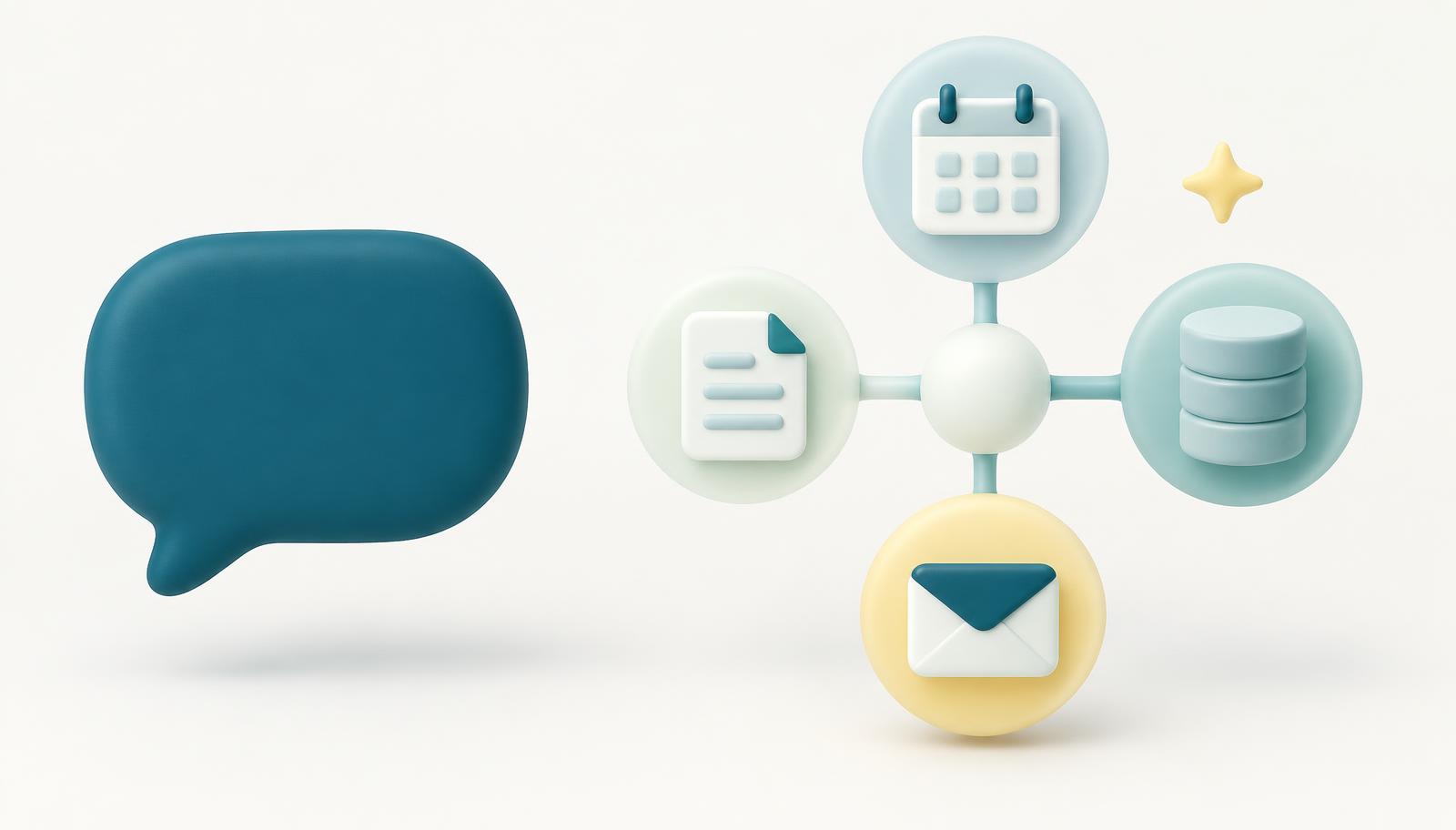
ChatGPT is a conversational assistant: you ask it a question or give it an instruction and it gives you a response. It's very good at:
- Drafting and editing text.
- Summarising long documents.
- Generating ideas or drafts.
- Answering one-off questions.
Its limit is clear: it depends on a person using it. It doesn't see your CRM, doesn't read your orders, doesn't reply to your customers on WhatsApp at eleven at night and doesn't update your ERP. It helps a person work faster, but it doesn't work on their behalf.
What is an AI agent?
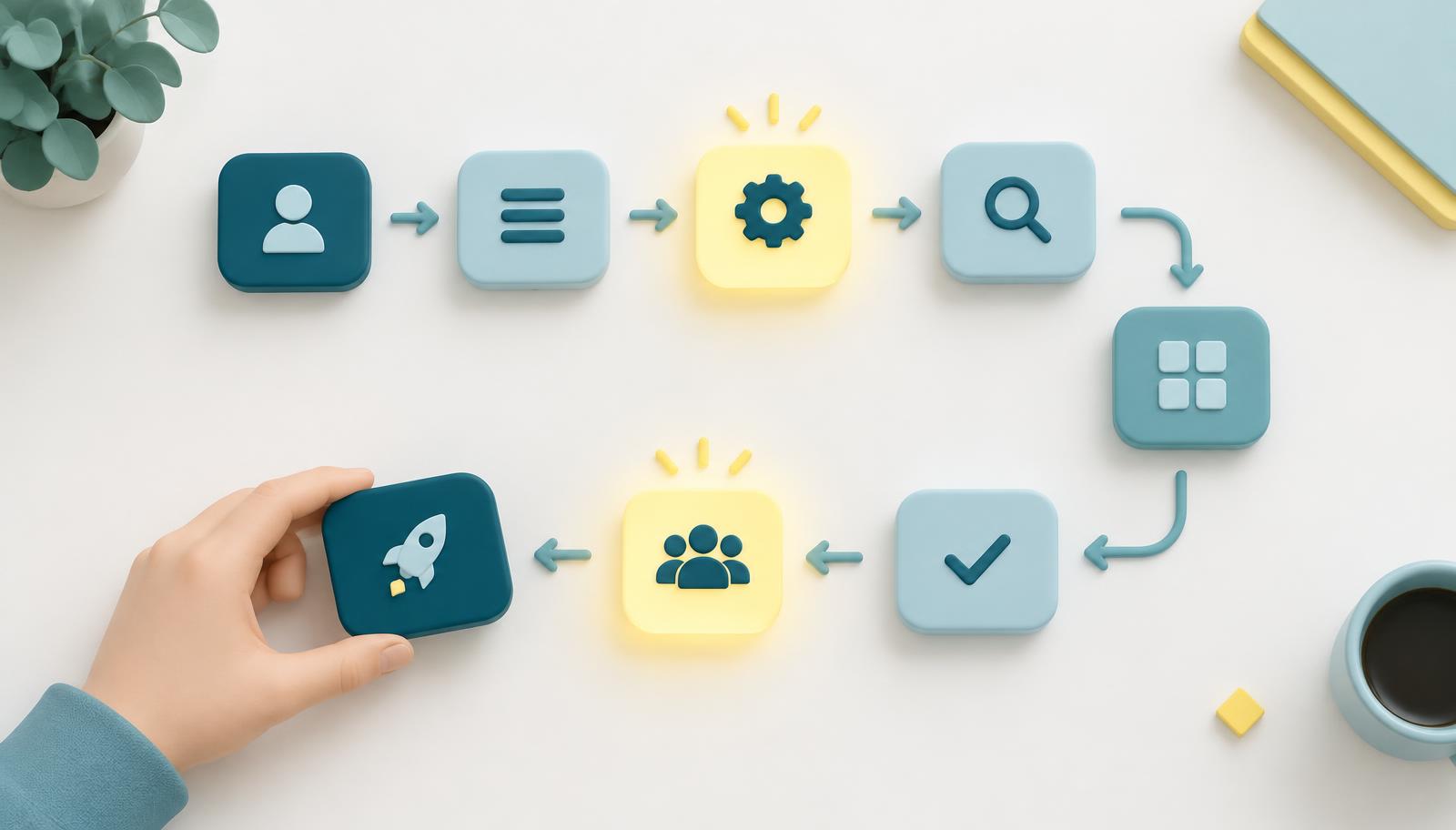
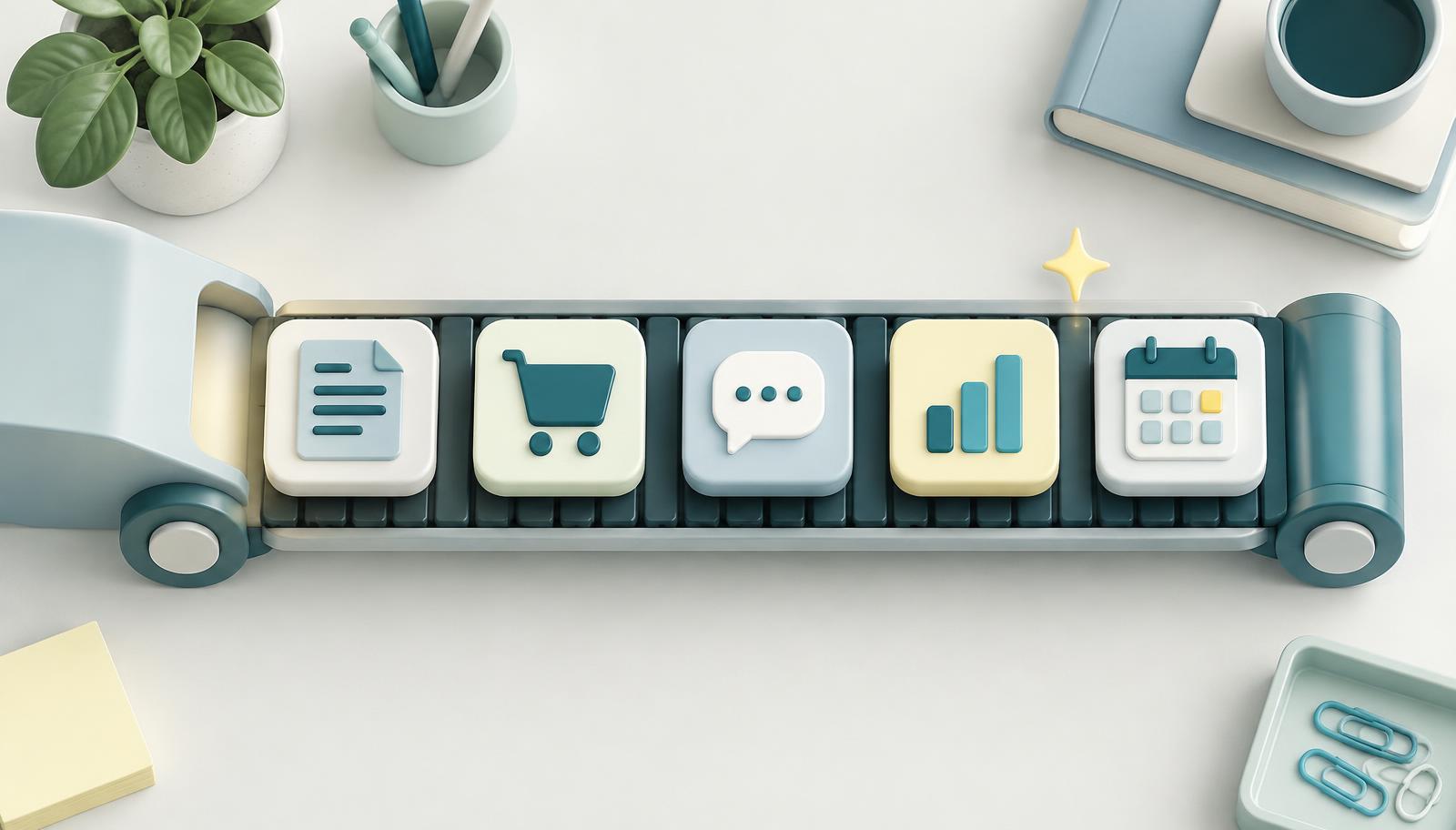
An AI agent is a system that executes complete tasks autonomously, connected to your company's tools. It receives an input (an email, a message, an order, a form), understands what needs to be done, makes decisions within defined rules and acts.
Some real examples:
- Customer service: answers frequent queries via WhatsApp or web, checks the status of an order and routes only the complex cases to a person.
- Sales: receives a new contact, qualifies it, logs it in the CRM and schedules the follow-up.
- Administration: reads invoices received by email, extracts the data and records it in the accounting system.
- Management: gathers data from several tools and sends a report every Monday.
Want to know which processes you can automate in your company?
Book a free assessmentAI agent vs ChatGPT: main differences
| ChatGPT | AI agent | |
|---|---|---|
| How it works | Responds when you ask it | Acts on its own for each input |
| Access to your tools | No | Yes (CRM, ERP, email, WhatsApp…) |
| Executes complete tasks | No | Yes |
| Works 24/7 unattended | No | Yes |
| Who it helps | One person | A whole team or process |
When does an SME need an AI agent?
An AI agent makes sense when there are tasks that:
- Happen many times a day or week.
- Follow clear rules (even if there are exceptions).
- Involve moving information between tools.
- Delay the response to customers when the team can't keep up.
If your team spends hours copying data, always answering the same questions or chasing follow-ups, an AI agent will probably give you back more time than any ChatGPT licence.
What's needed to implement an AI agent?
An agent is only as good as the process it executes. Before building it, you need to define what it should do, with what data, what rules it follows and when it should notify a person. That's why at ROMBIA we always start by understanding the process and then connect it to your current tools.
You can see examples of agents working in different areas in our success stories or find out how we work in services.
Conclusion
ChatGPT is a great personal tool. But if what you're after is for your company to run better, not for one person to write faster, what you need is artificial intelligence built into your processes. That's where an AI agent makes the difference.
Frequently asked questions
No. It takes care of repetitive tasks so the team can spend its time on customers and value-adding work. People remain in charge.
Yes. It integrates with the tools the company already uses through their connections (APIs), with no need to change software.
Yes, as long as they're designed in compliance with GDPR and only access the information necessary for each task.

Written by
Joel Luna · Co-founder · Commercial and Client Director
Helps SMEs connect their tools and put AI to work in their everyday processes.